






Índice
Women's summer running clothing: technology and comfort under the sun
Summer is a great time to enjoy the great outdoors and put in the miles under the sun. However, the high temperatures and humidity add an extra level of demand on our bodies. To maintain performance in every stride and avoid being held back by the heat, your choice of equipment is crucial. It's not just about wearing less clothing, it's about choosing smart clothing that works for your body.
If you want to find out how to stay cool, comfortable and focused during the warmer months, we tell you everything you need to know about your women's summer running clothes and which textile technologies will become your best allies.
Pillars of summer running gear: freshness and protection
When the thermometer rises, sports equipment must act as a regulating barrier. To run freely on asphalt, track or mountain, make sure your garments meet these essential requirements:
Advanced Moisture Management (Breathability)
Cotton should be completely out of your summer training closet, as it absorbs sweat, becomes heavy and sticks to the skin. Technical running apparel should be made with state-of-the-art synthetic fibers that capture moisture and transfer it to the outside for immediate evaporation, keeping you dry.
2. Goodbye to seams and chafing
Sweat and the repetitive motion of running exponentially increase the sensitivity of the skin, facilitating the appearance of irritations in critical areas such as the inner arms, chest or thighs. Flat seams or heat-sealed finishes are essential for running long distances without discomfort.
3. Ergonomic fit and elastic support
Whether you prefer tight-fitting tights or flowing shorts, you need elastic waistbands that fit your body contours anatomically and stay in place with every stride, without constricting or slipping.
Smart fabrics to optimize your workouts under the sun
In the premium women's running apparelcollections we find specific answers for each type of runner through textile innovation. The key is to know how to differentiate which technology best suits your daily routine:
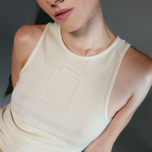
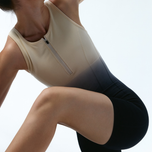
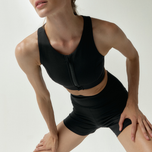
- Seamless fabric: The ultimate choice for sports tops, tank tops and compression tights. By dispensing with traditional seams in its 3D construction, it wraps the female silhouette organically like a second skin, reducing to zero the risk of annoying friction caused by perspiration.
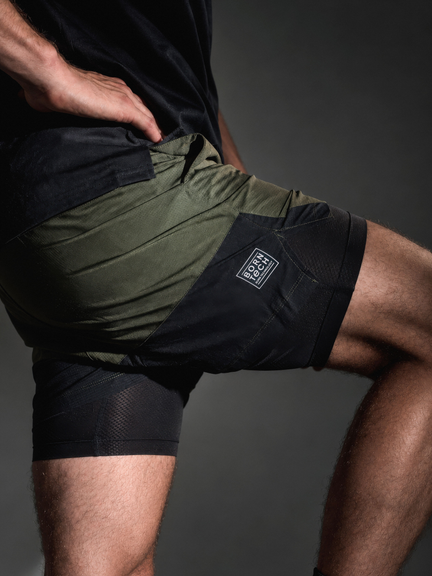
- Performance fabric: Ideal for lightweight outer shorts or windbreakers in between seasons. It stands out for its extreme lightness, high durability and a structure that favors the constant passage of air, facilitating excellent natural ventilation when training intensity increases.
Practical tips for your summer running sessions
In addition to renewing your technical garments, adopting certain routines will help you protect your health and keep your marks stable:
- Adapt your schedule: Avoid the time slots with the highest solar radiation (between 12:00 and 16:00). Prioritize early morning or late afternoon.
- Choose light tones: Light or pastel colors reflect sunlight, while dark colors absorb it, accumulating more heat on your body.
- Extra protection: Pair your outfits with essential accessories such as breathable visors to protect the face and high water and sweat resistant sun creams.
Some frequently asked questions from our customers:
Is it better to run in loose shorts or short tights in the summer? It's a matter of personal preference. Loose shorts increase air circulation and provide a very light feel, while short cycling tights effectively prevent direct thigh chafing thanks to their snug fit.
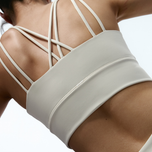
What type of sports bra is suitable for summer running? For running you need a bra with high support due to the continuous impact. In summer, look for models that incorporate breathable panels on the back or are made with seamless technology to prevent moisture from accumulating under the bust.
How should I wash my running clothes so that they do not lose their properties? Always wash your garments inside out in cold water programs (maximum 30°C). Completely avoid using fabric softeners, as they create a layer on the fibers that clogs the pores of the technical fabric, reducing its ability to wick away perspiration.
YOU MAY BE INTERESTED IN


